Beginner’s Guide to Vinyasa Flow at Silent Shore Yoga Studio
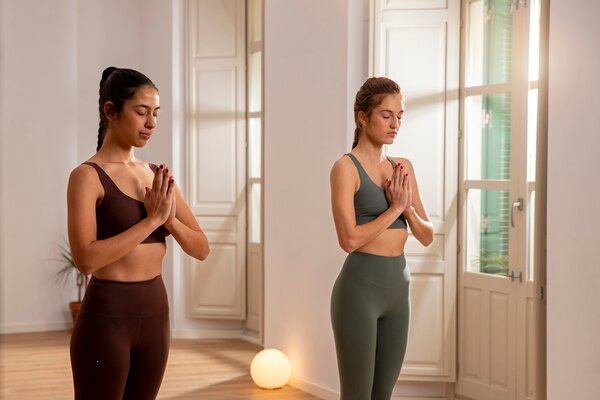
Stepping into your first Vinyasa Flow class at Silent Shore Yoga Studio can feel exciting and a little intimidating. This guide walks you through what Vinyasa is, how classes at Silent Shore typically unfold, what to expect as a beginner, and how to get the most from your practice—physically and mentally.
What Is Vinyasa Flow?
Vinyasa (often called “flow yoga”) is a style of yoga where movement is linked with breath. Rather than holding a single pose for a long time, you move through a sequence of postures, usually guided by your inhales and exhales.
Key features of Vinyasa Flow:
- Breath-led movement – Each movement is coordinated with either an inhale or an exhale.
- Flowing sequences – Poses are “chained” together, often returning to familiar shapes like Plank, Chaturanga, Upward-Facing Dog, and Downward-Facing Dog.
- Variety – Sequences can change from class to class; it’s less set than styles like Ashtanga.
- Intensity options – It can be gentle or physically challenging, depending on pace and focus.
At Silent Shore Yoga Studio, the emphasis tends to be on steady, mindful flow rather than rushing through poses, making it welcoming for beginners.
Why Start with Vinyasa at Silent Shore?
Silent Shore is designed to be a calm, supportive environment for new students:
- Smaller class sizes allow teachers to pay attention to alignment and offer modifications.
- Quiet, intentionally designed space helps you focus on your breath and body.
- Beginner‑friendly language means less jargon, more clear, simple cues.
- Optional hands‑on assists (if offered and consented to) can help you understand alignment safely.
The goal isn’t to “perform” the perfect pose, but to feel comfortable in your own version of the practice.
What to Expect in a Beginner Vinyasa Flow Class
Every teacher has their own style, but a typical beginner-friendly Vinyasa Flow class at Silent Shore often follows this structure:
- Arrival and Settling (5–10 minutes)
- You roll out your mat, gather props (blocks, strap, blanket).
- Class starts seated or lying down.
- Brief centering: noticing your breath, releasing your day, setting an intention.
- Gentle Warm-Up (10–15 minutes)
- Simple movements like neck and shoulder rolls, cat–cow, hip circles.
- Focus on connecting movement to breathing: inhale to open, exhale to soften.
- Standing Flow (15–25 minutes)
- Sun Salutations (or simplified versions) to warm the body.
- Standing poses like Warrior I & II, Triangle, or Low Lunge.
- Teacher offers options: maybe knees down in Plank, shorter stances, or use of blocks.
- Cool-Down and Floor Poses (10–15 minutes)
- Seated stretches, gentle twists, hip openers.
- Slower pace, longer holds to release tension.
- Final Relaxation (Savasana) (5–10 minutes)
- You lie on your back (or another comfortable position).
- Guided relaxation or simple silence to integrate your practice.
- Class closes with a few deeper breaths and sometimes a brief reflection.
As a beginner, expect clear step‑by‑step guidance and frequent reminders that rest is always an option.
Basic Principles to Keep in Mind
1. Breath Comes First
Your breath is your main “teacher” in Vinyasa Flow:
- If you lose your breath or it becomes strained, it’s a sign to slow down or rest.
- Aim for smooth, even inhales and exhales through the nose when possible.
- It’s perfectly okay to breathe through the mouth if you feel overwhelmed—just notice and soften.
2. Your Practice, Your Pace
Two people in the same class may do very different versions of a pose, and that is normal:
- Take rest in Child’s Pose whenever you need.
- Skip a vinyasa (the Plank–Chaturanga–Upward Dog sequence) and go straight to Downward Dog.
- Use props; they are not a sign of weakness but tools for better alignment and comfort.
3. Safety over Depth
Especially as a beginner:
- Joints aligned: For example, front knee stacking over the ankle in lunges and warriors.
- No sharp or pinching pain: Mild sensation is okay; sharp pain is a “stop now” signal.
- Neutral spine where possible: Don’t force rounding or arching to “go deeper.”
The teachers at Silent Shore will usually demonstrate and offer verbal cues; if anything feels unclear, you can always ask before or after class.
Common Poses You’ll Likely Encounter
You don’t need to memorize pose names, but recognizing a few can help you feel more at ease.
- Mountain Pose (Tadasana) – Standing tall, feet grounded, spine long.
- Forward Fold (Uttanasana) – Hinging at the hips to fold; knees can be bent generously.
- Half Lift (Ardha Uttanasana) – Spine lengthens forward, hands on shins or blocks.
- Plank – Body in a straight line from heels to head; knees can come down.
- Chaturanga – Low push‑up position; beginners often modify with knees down or skip it.
- Cobra or Upward-Facing Dog – Heart opens forward, shoulders away from ears.
- Downward-Facing Dog – Inverted “V” shape; heels don’t need to touch the mat.
- Warrior I & II – Strong standing poses building leg and core strength.
- Child’s Pose – Resting pose with hips toward heels; arms forward or by your sides.
- Seated Twist / Hip Openers – Gentle floor poses to unwind and release tension.
Teachers at Silent Shore will generally demonstrate and break these down, especially in beginner classes.
How to Prepare for Your First Class
What to Wear
- Comfortable, stretchy clothing that allows you to move freely.
- Avoid very loose tops that might fall over your head in forward folds.
- Bare feet are preferred for grip and stability on the mat.
What to Bring
- Yoga mat (if you have one; many studios also have rentals or community mats).
- Water bottle (you’ll sip between segments, not constantly).
- Small towel if you tend to sweat.
If Silent Shore provides props (blocks, straps, bolsters), use them—they’re there to support you.
Studio Etiquette and Environment
To help maintain the calm atmosphere Silent Shore is known for:
- Arrive 10–15 minutes early to settle in and let the teacher know you’re new.
- Silence phones or leave them in the locker/cubby area.
- Speak quietly in the studio to respect those who come to decompress.
- Let the teacher know about any injuries, pregnancy, or health concerns before class.
- If offered, you can always opt out of physical assists—there is usually a simple way to indicate your preference (verbally or with a card/coin system, depending on studio policy).
Modifications and Props: Your Best Friends as a Beginner
Using props and variations makes the practice more accessible:
- Blocks: Bring the floor closer to you in standing poses and forward folds.
- Straps: Help you reach your feet or bind without strain.
- Blankets: Add cushioning under knees, hips, or head.
Typical beginner modifications:
- Knees down in Plank and Chaturanga.
- Shortening your stance in Warriors to maintain stability.
- Bending knees deeply in Downward Dog and Forward Fold.
- Practicing seated or reclined versions of poses if standing is difficult.
Your teacher can suggest specific options based on your body and any limitations you share.
Managing Common Fears and Misconceptions
“I’m not flexible enough for yoga.”
Yoga is how you become more mobile, not something you do after you’re flexible. Many beginners can’t touch their toes; that’s normal.
“Everyone will be watching me.”
Most people are too focused on their own breath and balance to notice others. Silent Shore’s teachers also foster a non‑judgmental atmosphere.
“I’ll hold the class back.”
Beginner‑friendly classes are paced with new students in mind. Taking rest or modifying doesn’t slow anyone else down.
“I have to keep up with the teacher exactly.”
Your main responsibility is to listen to your body. The teacher offers a map; you choose the route that works for you today.
Benefits You May Notice
After a few Vinyasa classes at Silent Shore, you might start to observe:
- Physical changes: Improved balance, strength, and mobility; reduced stiffness.
- Mental clarity: A quieter mind, improved focus, and better stress management.
- Breath awareness: Using your breath to regulate your nervous system off the mat.
- Emotional ease: A sense of grounding and calm that carries into daily life.
These benefits build gradually—consistency is more important than intensity.
Tips to Get the Most Out of Every Class
- Arrive with an open mind, without expectations of performance.
- Set a simple intention, like “breathe with ease” or “move kindly.”
- Listen to your body more than to your inner critic.
- Ask questions before or after class if something didn’t make sense.
- Try to attend regularly (for example, once or twice a week) so your body and breath learn the patterns.
Moving Forward in Your Practice
As you grow more comfortable with the basics at Silent Shore, you can:
- Explore different teachers to experience various teaching styles.
- Try other class levels or themed flows (e.g., gentle vinyasa, slow flow, or alignment-focused classes).
- Add a restorative or yin class occasionally to complement the more active vinyasa practice.
- Integrate short home practices, even 10–15 minutes of simple sun salutations and stretching.
Beginning Vinyasa Flow at Silent Shore Yoga Studio is less about “getting good” at poses and more about developing a steady relationship with your breath, body, and attention. Show up as you are, use the props and modifications offered, and let your practice unfold at a pace that feels honest and sustainable for you.